Concrete vs Asphalt: Which Paving is Right for Your Driveway?
Concrete vs Asphalt: Which Paving is Right for Your Driveway?
Blog Article
In the context of construction and maintenance, paving holds significant importance, affecting the practicality and visual aesthetics of outdoor environments. This process entails laying down a solid surface for diverse purposes, including driveways, parking spaces, and pedestrian pathways. Understanding the details of paving allows homeowners and business owners to make informed choices about their specific paving needs the official site. Working with a qualified paving contractor ensures that property owners can achieve results that are both durable and visually attractive. By opting for professional paving services, you can boost your property’s curb appeal and potentially enhance its overall value. Whether your interest lies in residential or commercial paving, being aware of the key elements of the service is essential for successful project management. One of the significant advantages of hiring a professional paving contractor is the expertise they bring to the table. Paving specialists are trained to assess the specific needs of a site and recommend appropriate materials and techniques. They understand local regulations, which can be vital in ensuring the project complies with municipal codes. Commercial properties, in particular, must adhere to strict guidelines, and the right paving contractor will ensure everything is up to standard. Another critical factor is the quality of materials used. Professionals work with advanced materials that ensure longevity and durability. For example, using high-grade asphalt or concrete provides a strong base that withstands the test of time and environmental conditions. Relying on expert paving services guarantees better quality and finishes than DIY attempts. Moreover, if you are looking for a reliable paving company, consider visiting their website for comprehensive information on paving options, including installation, maintenance, and repair services. When it comes to paving, multiple options cater to different needs and aesthetic preferences. Residential paving primarily focuses on driveways, patios, and walkways, while commercial paving often includes parking lots and pedestrian areas. Each type requires its respective materials and techniques. For instance, asphalt is typically preferred for parking lots due to its durability and cost-effectiveness, while decorative concrete is popular for driveways and patios due to its versatility and appearance. Another common type of paving is the use of pavers, which are individual pieces laid out to form surfaces. Pavers come in various materials, including concrete, brick, and stone, offering endless design possibilities from simple patterns to elaborate installations. The choice of paving type should align with the intended use and expected traffic levels. The process of paving installation entails more than just laying down the material; it requires thorough planning and precise execution. Initially, a paving contractor will conduct site preparation, which involves tasks such as grading and compacting the soil to create a solid and stable base. Once the ground is sufficiently prepared, the chosen paving materials are arranged with a strong emphasis on proper drainage to avoid future complications. An integral part of any paving service is maintenance. Regular upkeep is vital to extend the life of paved surfaces. For instance, sealcoating serves as a protective layer for asphalt, safeguarding it against the harmful effects of UV rays and moisture exposure. Similarly, concrete surfaces benefit from periodic cleaning and resealing to copyright their durability. By recognizing the specific maintenance needs of your paved surfaces, you can significantly reduce potential repair costs in the long run. The cost of paving varies greatly depending on several factors such as material, size, and complexity of the project. Basic asphalt paving for residential areas may range from $2 to $5 per square foot, while decorative concrete paving could start at $6 and go up substantially based on design intricacies. Commercial projects might require additional considerations for load-bearing and durability, potentially increasing costs. It's crucial to obtain quotes from multiple paving companies to ensure competitive pricing and quality service. To better understand paving costs, it's advisable to consider aspects like proper site preparation, material choices, and maintenance schedules, as these can influence the overall investment. For more detailed pricing and breakdowns, visit a reputable paving service provider’s website. Considering paving for your property? Here are five concrete tips to ensure you make the best choices and avoid common pitfalls.Steps to Hiring a Paving Contractor
The Importance of Professional Paving Services
Understanding Different Types of Paving
Paving Installation and Maintenance Services
The Cost of Paving Services
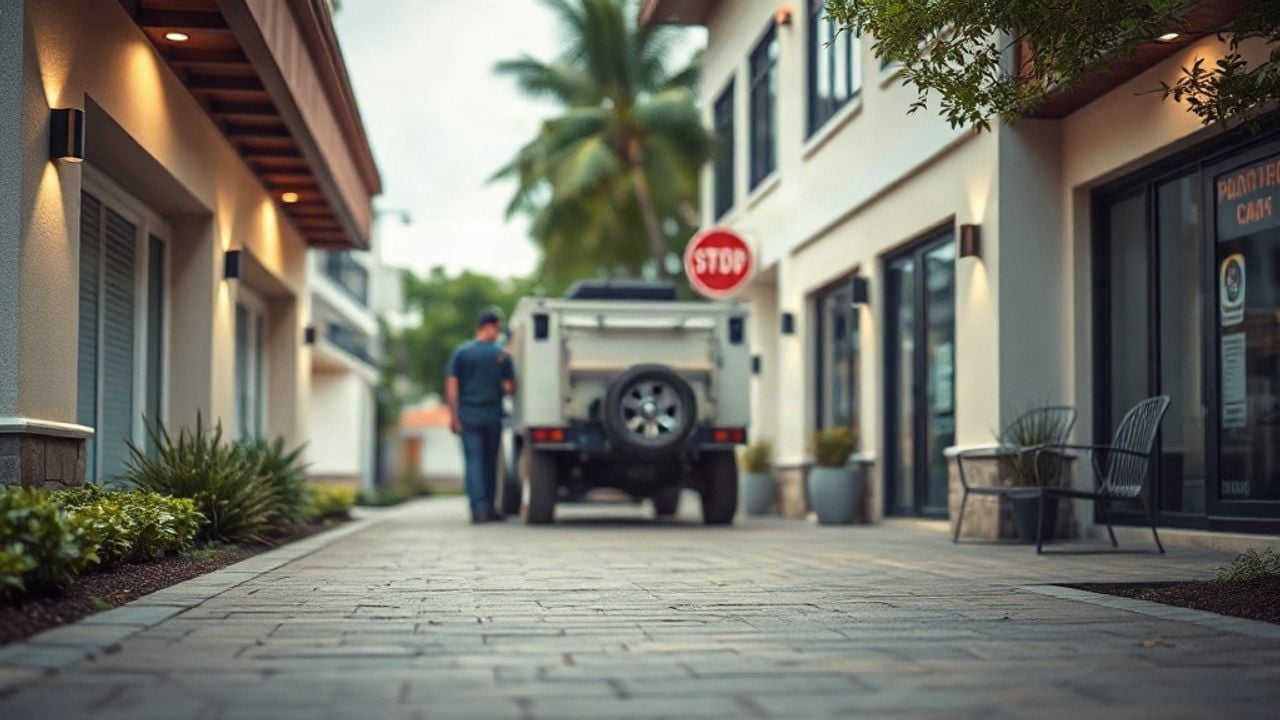 pavingpaving works
Pro Tips for Successful Paving Projects
paving
Frequently asked questions
What is paving?
Paving is the technique of creating a solid surface that is commonly used in outdoor spaces like driveways, paths, and parking areas. This process employs materials such as asphalt and concrete, which are selected for their ability to withstand wear and enhance visual attractiveness.
How do I choose a paving provider?
When selecting a paving provider, start by investigating local contractors. Obtain estimates, read reviews, check references, and confirm their qualifications. It's crucial to ensure that the provider is licensed and insured to safeguard your interests throughout the project.
How much does paving cost?
The cost of paving can fluctuate significantly, depending on material choice, project scale, and complexity. On average, asphalt paving can cost between $2 and $5 per square foot, while decorative concrete options can start at $6 and can rise notably based on the chosen design.
Understanding the nuances of paving services allows for smarter decisions when it comes to enhancing your property. Whether for residential or commercial needs, engaging a professional paving contractor ensures quality and longevity.
By considering the various paving options and their respective maintenance needs, property owners can assure the best outcomes for their paving projects.